Cargando…
Cargando
Preparando la información solicitada…
Cargando
Preparando la información solicitada…
Complete QMS implementation, gap assessment and certification audit preparation. Documented processes, measurable objectives, and PDCA. We prepare your organization — certification is issued by an independent accredited body.
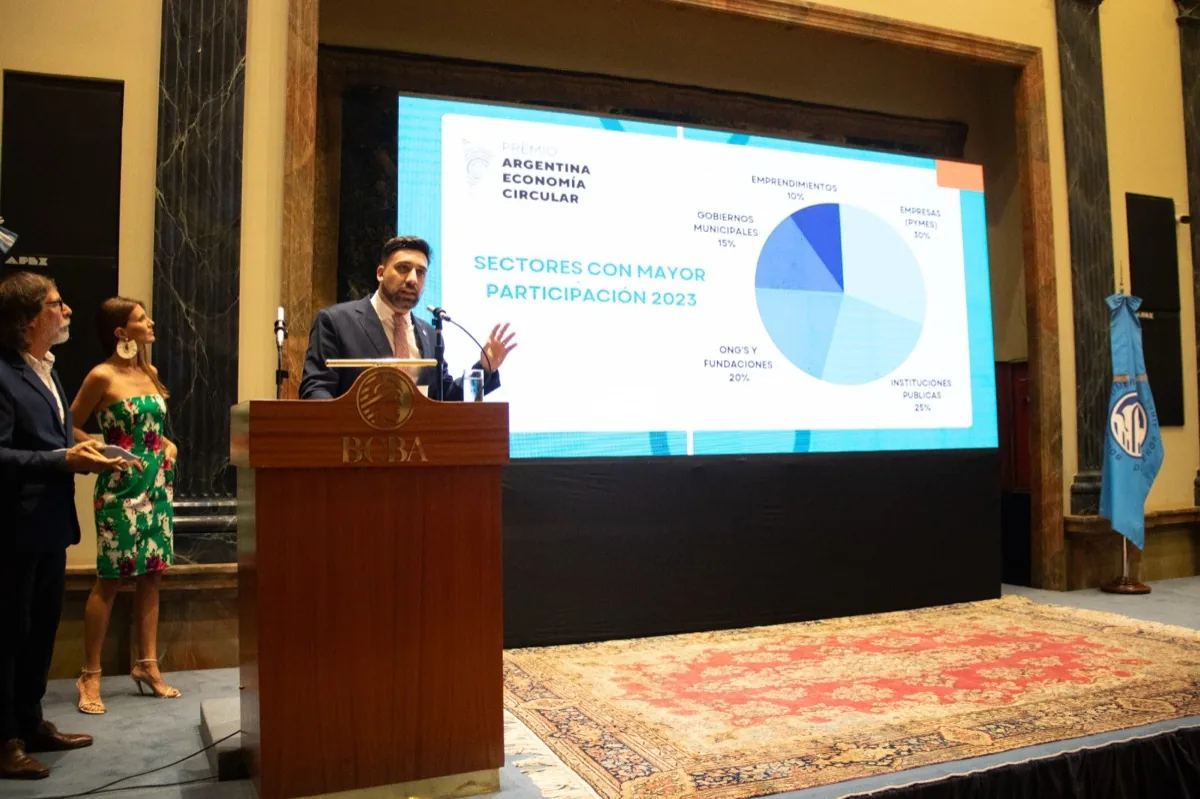
"Quality is not a seal — it is a system that is measured, audited, and improved."Fernando Arrieta — Lead Auditor ISO 9001
Certification is a requirement in tenders, contracts with large companies, and international markets that demand ISO 9001.
If processes depend on people and not on a system, ISO 9001 organizes, documents, and creates operational continuity.
Contracting parties, regulators, and stakeholders require quality evidence. Certification is the internationally recognized proof.
Survey of the current state of processes, roles, and documentation vs. ISO 9001 requirements.
Process mapping, quality policy, measurable objectives, roles, and required documentation.
Launch of designed processes, team training, and operational records.
Compliance verification, gap detection, and corrective actions before certification.
Management review and complete preparation: findings closure and documentation ready for the independent certification body.
Clear processes with controls at critical points. Nonconformities are detected and addressed through corrective actions.
ISO 9001 is a documented requirement in many public tenders and international supply chain contracts.
Defined roles, measurable objectives, and a continuous improvement culture embedded in the management system.
In small and medium organizations, implementation takes between 3 and 5 months. In larger organizations or those with multiple locations, it can extend to 6-8 months. The preliminary diagnosis is delivered in 72 hours.
Yes. ISO 9001 is applicable to any organization, regardless of its size, sector, or type. From a service SME to an industrial multinational or a public entity.
The main benefits are: access to tenders and contracts that require certification, reduction of errors and rework, improved customer satisfaction, greater operational efficiency, and a documented continuous improvement culture.
No. ISO 9001:2015 eliminated the requirement for documented procedures for everything. What is required is "documented information" where necessary for the effectiveness of the system. The approach is practical: document what adds value.
Yes, and it is recommended. All three standards share the High-Level Structure (Annex SL), which enables implementing integrated management systems. This reduces duplication of effort and documentation.
The ISO 9001 certificate is valid for 3 years, with annual surveillance audits. In the third year, a recertification audit is conducted.
The cost varies depending on the size of the organization, the number of processes, and locations. The initial assessment has an accessible fixed cost; the implementation is quoted in stages.




If your organization is evaluating ISO 9001 readiness, this is the channel to discuss scope and viability. All inquiries are handled under confidentiality.
The consulting and implementation services described on this site are provided independently. Certification audits and decisions are the exclusive responsibility of accredited certification bodies. In accordance with ISO/IEC 17021-1 §5.2, impartiality restrictions and cooling-off periods apply.